South Florida faces a severe mental health crisis, with elevated depression, anxiety, and suicide rates attributed to high costs of living, fast lifestyles, and diverse demographics. New 24/7 support services, including the National Suicide Prevention Lifeline, offer immediate assistance. Despite these initiatives, challenges like cultural barriers and resource strain remain. Innovations such as mobile crisis teams and virtual counseling aim to improve accessibility, with future efforts focusing on technology integration to reach underserved populations via telehealth for enhanced suicide prevention.
"South Florida faces significant challenges in addressing its growing mental health crisis, with a constant demand for 24/7 intervention and emergency support. This article explores the critical services available, their impact, and the unique pressures they face. From understanding the regional context to delving into innovative access strategies, we dissect the current landscape of mental health crisis care. By examining existing resources and future possibilities, this piece aims to highlight the ongoing efforts and advancements needed to better support residents in Florida grappling with mental health emergencies."
Understanding the Mental Health Crisis in South Florida

South Florida, known for its vibrant culture and sunny climate, also faces a significant mental health crisis. The region's fast-paced lifestyle, high cost of living, and diverse demographic can contribute to heightened stress levels and mental health challenges among residents. According to recent studies, Florida ranks high in depression, anxiety, and suicide rates compared to other states. This underscores the urgent need for 24/7 mental health crisis intervention and emergency support services.
The mental health crisis in South Florida requires immediate attention due to its devastating impact. With increased awareness and access to emergency mental health services, such as crisis counseling and suicide prevention initiatives, we can foster a more supportive environment. These services play a pivotal role in providing timely assistance to individuals in distress, ensuring they receive the help they need without delay.
Existing 24/7 Support Services: A Comprehensive Overview

South Florida residents now have access to a robust network of 24/7 support services designed to address mental health crises and emergency situations. These services play a pivotal role in ensuring that individuals experiencing severe emotional distress, suicidal ideation, or other psychiatric emergencies receive immediate assistance. Organizations like the National Suicide Prevention Lifeline (1-800-273-TALK) offer crisis counseling and suicide prevention resources available 24 hours a day, seven days a week. Additionally, local emergency departments and mental health facilities are staffed with professionals trained to provide emergency mental health care when needed.
The availability of these comprehensive services is a significant step forward in the region's approach to mental health. By providing around-the-clock support, South Florida is better equipped to address acute mental health crises, offering hope and assistance to those in need. This concerted effort reflects a growing understanding of the importance of immediate intervention in mitigating risks and promoting positive outcomes for individuals facing mental health challenges.
The Impact and Challenges of Emergency Intervention
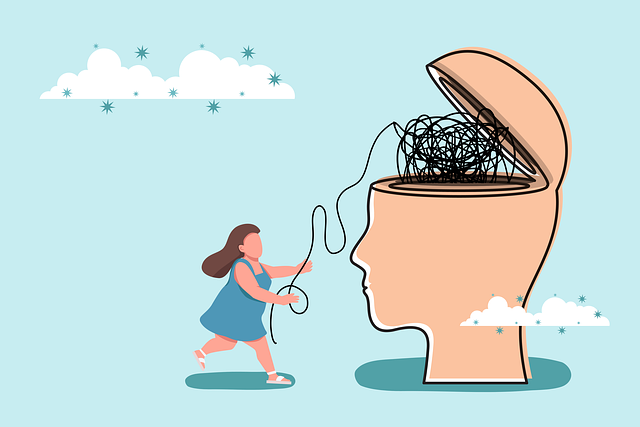
The constant availability of 24/7 mental health crisis intervention services in South Florida has profoundly impacted the accessibility and timeliness of emergency support for residents grappling with severe psychological distress or suicidal ideation. This round-the-clock coverage allows individuals to receive immediate assistance, potentially averting tragic outcomes. By providing a dedicated, easily accessible resource, these services ensure that no one suffers in silence, fostering a sense of community care and resilience.
However, the effectiveness of emergency
mental health interventions is not without its challenges. The high volume of calls can strain resources, leading to wait times for critical services. Moreover, cultural barriers, language differences, and the stigma surrounding mental health issues often hinder individuals from seeking help during a crisis. Addressing these obstacles requires continuous effort from service providers, policymakers, and community leaders to enhance accessibility, cultural sensitivity, and awareness around available emergency counseling and suicide prevention programs in South Florida.
Enhancing Access to Care: Innovations and Future Directions
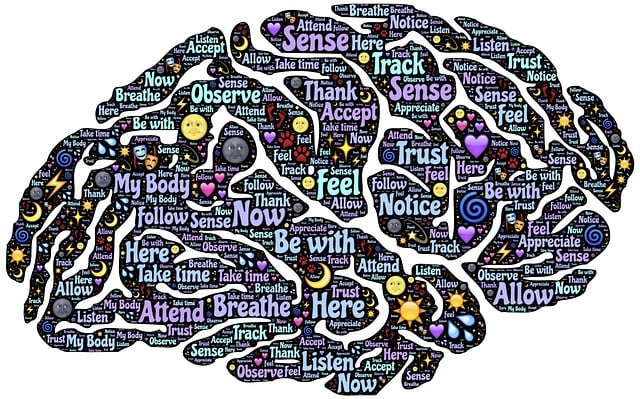
In South Florida, enhancing access to care for those facing mental health crises is a top priority. Innovations such as mobile crisis teams and virtual counseling platforms have revolutionized emergency mental health services, ensuring that support is readily available 24/7. These initiatives bridge the gap between acute crises and ongoing treatment, providing much-needed relief to individuals in distress.
Looking ahead, there's a growing emphasis on integrating technology into crisis counseling to improve accessibility and efficiency. Telehealth options for suicide prevention, for instance, can reach underserved populations and provide immediate assistance. By leveraging these advancements, South Florida aims to foster a more inclusive and responsive mental health safety net, ensuring that everyone in need has the resources to navigate their crises effectively.
South Florida's commitment to addressing its mental health crisis is evident through the variety of 24/7 intervention services available. While these resources offer vital support, challenges remain in ensuring equitable access and effective care for all residents in need. Moving forward, innovations in technology, community outreach, and collaboration among service providers are crucial steps towards enhancing mental health crisis support in Florida, ultimately fostering a more resilient and supportive environment.